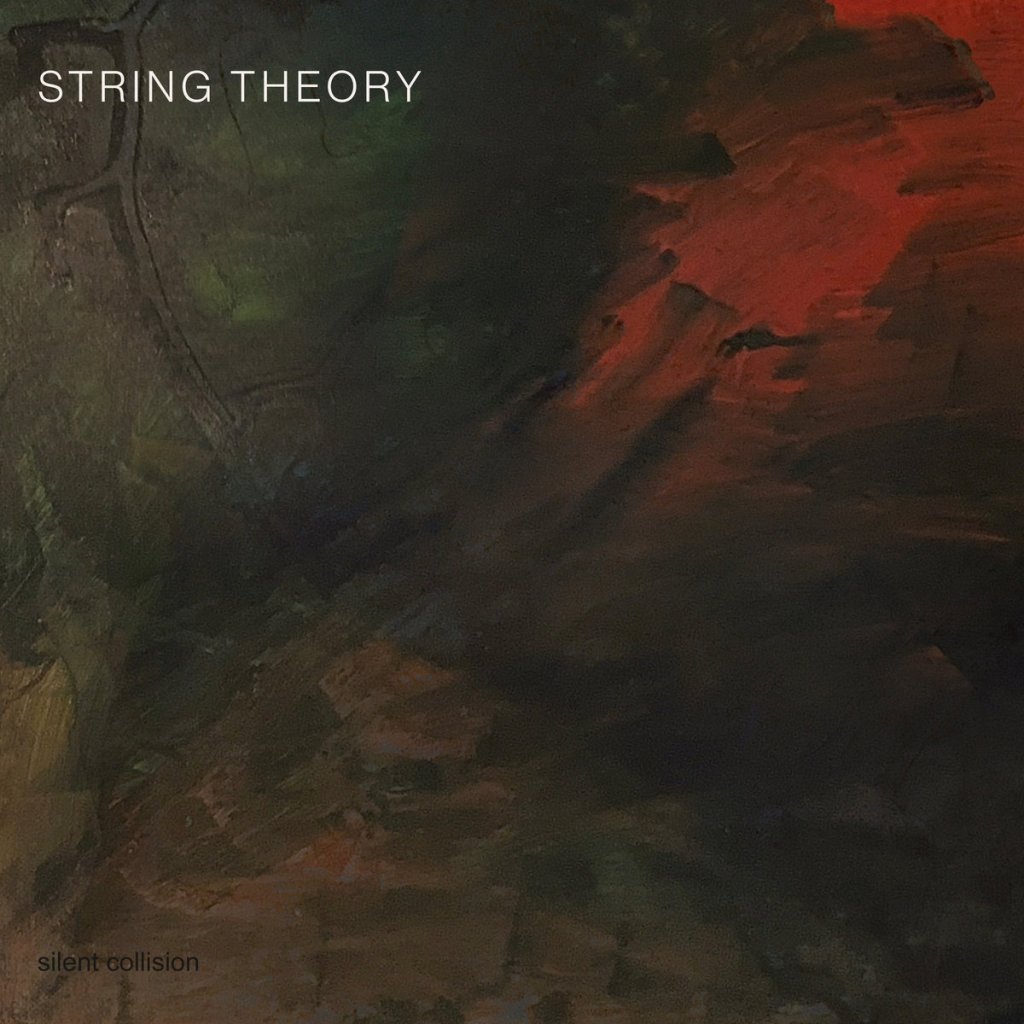
There are moments on String Theory when you almost expect a scene to appear in front of you. The details are yours to fill in, but the feeling is remarkably specific. Austyn Moffat, working under the name silent collision, gives these imagined scenes a life of their own, allowing them to unfold, change direction, and occasionally take you by surprise. There’s a richness to the way he works with synthesizers, creating music that can feel delicate and imposing at the same time, with plenty of subtle details that reveal themselves along the way.
The album starts with “Approaching the Precipice,” which immediately puts some distance between you and the everyday world. There’s little time to get comfortable, either. “Freefall” arrives with an almost physical sense of dread, followed by the slowly gathering pressure of “Everything, All at Once.” Both have that peculiar quality of a movie scene where you know something is coming but can’t quite tell what. The synthesizers keep moving, adding layers, changing shape, occasionally making the space around them feel enormous.
That sense of unease takes on a different character in “Weightless, Suspended,” where a certain sadness sits alongside something cold and almost mechanical. There’s a strange emotional distance to it, as though the music is caught somewhere between feeling too much and feeling nothing at all. “Fragile Horizons,” on the other hand, feels far more intense, with an almost cosmic sense of mystery and something vaguely threatening lurking beneath it all. Even as the moods shift, that underlying uneasiness remains a constant presence.
Then a track like “My Reflection, Glimmering” comes along and brings a more familiar, nostalgic feeling into the picture. There’s a tender, almost childlike quality to it, along with that faint ache of remembering something you can’t return to. “The Sky Opened, For Me” takes the album in a different emotional direction, gradually building in intensity until it reaches something almost overwhelming. Both tracks reveal a warmer, more expressive side of Moffat’s music, though they arrive there in different ways.
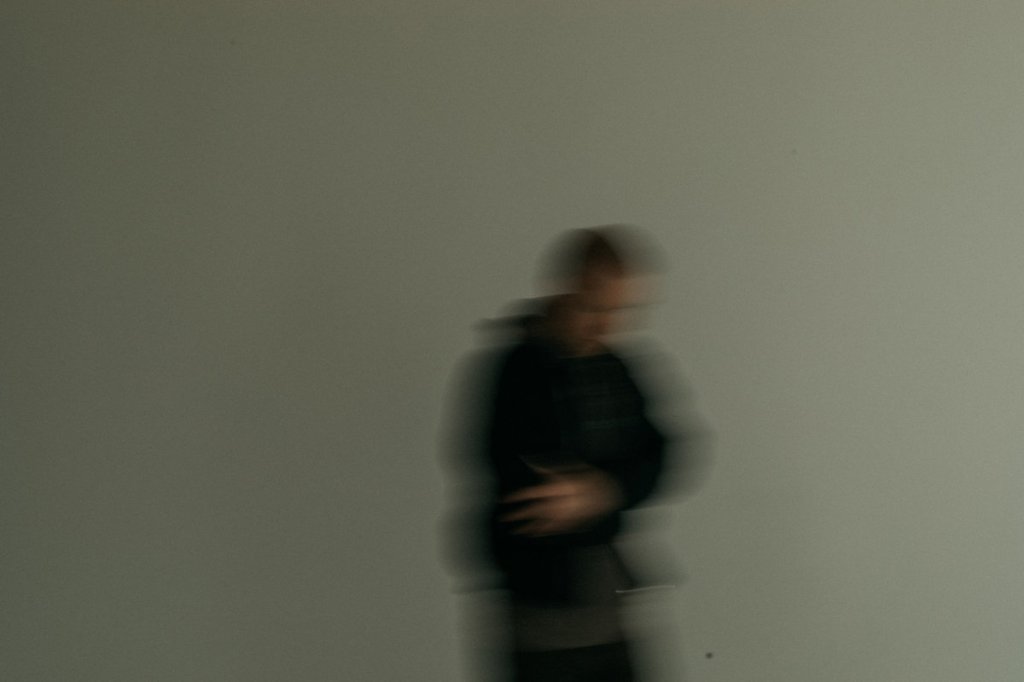
That openness to shifting emotions feels particularly meaningful considering how silent collision came about. Moffat started the project after his autism diagnosis, having realized that much of his earlier music had been shaped by attempts to fit into established genres rather than explore his own instincts. With String Theory, he allows himself to be guided by whatever feels right in the moment, without worrying too much about where it might lead.
What emerges from that approach is a beautifully cinematic record that feels vibrantly alive, holding your attention without ever demanding it. Over its 34 minutes, the music gives you plenty to get lost in, allowing small details to surface while the larger arrangements carry you somewhere entirely unexpected. Despite its deeply personal origins, String Theory leaves generous room for listeners to connect on their own terms, making a compelling case for simply trusting your instincts and seeing where they take you.
String Theory is available digitally and on vinyl. Stream or purchase the album here:
Bandcamp | Spotify | Deezer | YouTube Music
Follow silent collision for news and updates:
Website | Instagram
Find similar music in our Ambient & Neoclassical playlist:
Spotify | Deezer | YouTube | YouTube Music
We discovered this release via SubmitHub.



Leave a Reply