Fire sits at the center of human life in a way few elements do. It is invention and threat, comfort and disruption, the thing that makes a home possible and the thing that can take it away. That web of contradictions is exactly what powers Feux, the third album from the Paris-based quintet Theorem of Joy, released on September 19, 2025, through Deluge.
The band uses the idea of “feux,” French for “fires,” to frame a question that feels hard to avoid right now: how do we live together when the ground keeps shifting beneath us? That uncertainty is mirrored in the album’s sonic language, which stays just as fluid, with jazz and jazz fusion forming the base layer, world-fusion adding momentum and color, and neoclassical string warmth giving everything a steady glow. The result is a fantastic concept album, adventurous and vivid in its palette yet deeply affecting.
Concept aside, what struck me first is how organic the band sounds, even while moving through a wide range of textures. The double bass and drums keep everything grounded with a steady pulse, while guitar and harmonic shifts add movement on top. The real scene-stealer, though, is the string presence. The violin doesn’t just decorate the arrangements, it shapes the emotional temperature, turning from tender warmth to tighter, more suspenseful phrasing as the music demands. And when the guest cello appears on a few tracks, the album gains extra depth, thickening the shadows and widening the space without weighing the music down. Over it all, Raphaëlle Brochet’s voice becomes a central instrument in its own right, moving between English and French lyrics and those wordless vocables that blur the line between singing and pure tone. Sometimes she floats feather-light and almost angelic, sometimes she cuts through the ensemble with a slightly rougher edge, adding urgency and lift. And because the production is so clean and spacious, none of these instrumental details get lost even when things get dense, which is probably why the album’s emotional shifts feel so satisfying.
I’ll admit I was even more impressed with that organic quality after going down the live-video rabbit hole. Apparently, Feux isn’t just studio magic. The ease and precision you hear on the album translate naturally onstage, with the interplay, control, and little details all still there.
With all that said, the album really comes into focus in a handful of standout moments. “New Spring” lights the first match, opening with inviting guitar lines and a guiding double bass, then blooming into a warm, hopeful glow as the voice and violin rise like the first day of a season where anything feels possible again. “In The Way” is another highlight, and an emotional crossroads for the record, riding a catchy rhythmic pulse and a playful mix of vocables and world-fusion phrasing before opening out into a widescreen, hopeful finale. Near the end, “Upside Down Candle” plays like a ceremony caught on tape, bittersweet and cinematic, hovering between goodbye and what comes next. Small touches, like the scattered claps at the start, sharpen the atmosphere, and the vocals shift through a wide range again, deepening the scene.
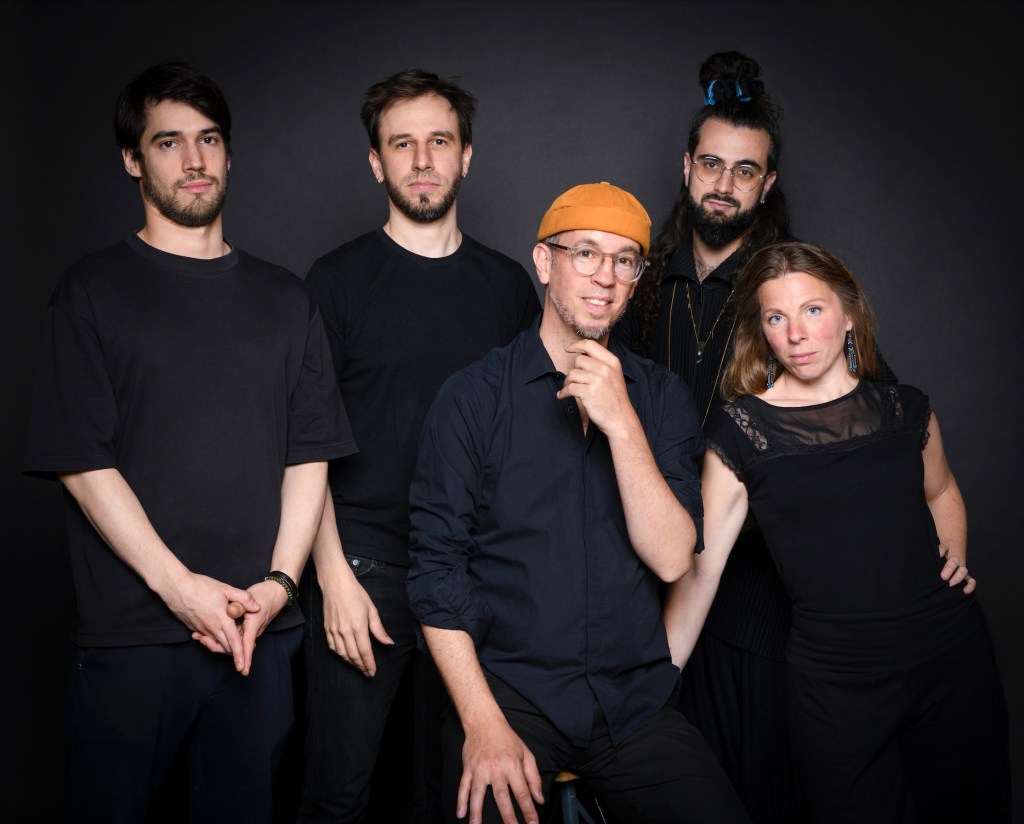
All in all, what I like most about this record is how it lets its concept live inside the music rather than sit on top of it. Feux feels like an emotive conversation about how we burn, heal, and keep going, wrapped in a beautifully crafted modern jazz album. And a good reminder that “ambitious” doesn’t have to mean “distant.”
Check out the album here:
Bandcamp | Spotify | Apple Music
Follow the band for news and updates:
Website | Instagram | Facebook | X | YouTube
Find similar music in our Atmospheric Jazz Fusion playlist.
We discovered this release via SubmitHub.



Leave a Reply